
- On 8 March 2026
- In Non classé
- Tags:
The Transformation of Bordeaux Over the Last 30 Years
Over the past three decades, Bordeaux has undergone one of the most remarkable urban transformations in Europe. Once a quiet port city with darkened façades and busy car-filled quays, Bordeaux has reinvented itself into a vibrant, elegant, and highly livable destination. Major restoration projects, improved public spaces, and new transportation systems have dramatically reshaped the city. Today, visitors discover a place where historic architecture, modern urban planning, and a relaxed lifestyle coexist beautifully.
A Historic City Rediscovered
For much of the 20th century, Bordeaux possessed extraordinary architectural heritage that was not fully appreciated. Many of the city’s beautiful limestone buildings, particularly those dating from the 18th century, were blackened by decades of pollution and traffic. Although the historic center remained impressive, it lacked the brightness and accessibility that visitors enjoy today.
During the 1990s, local authorities began to recognize the immense value of Bordeaux’s architectural heritage. Restoration programs were launched to clean and preserve historic façades. As the golden limestone buildings regained their original color, the city’s beauty became more visible than ever before. This rediscovery of Bordeaux’s architectural identity played a major role in its revival.
The Redevelopment of the Riverfront
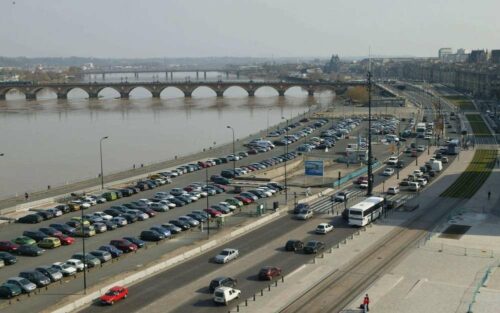
One of the most visible changes in Bordeaux took place along the banks of the Garonne River. For many years, the riverfront was dominated by warehouses, parking areas, and heavy traffic. The river itself was somewhat separated from daily urban life.
Beginning in the late 1990s and early 2000s, the city launched an ambitious redevelopment of the riverfront. Large sections of the quays were transformed into pedestrian promenades, parks, and cycling paths. Instead of cars and industrial buildings, visitors now find open spaces where people walk, relax, and enjoy views of the historic skyline.
Today, the Garonne riverfront is one of the most attractive urban promenades in Europe and a central part of life in Bordeaux.
The Creation of the Miroir d’Eau
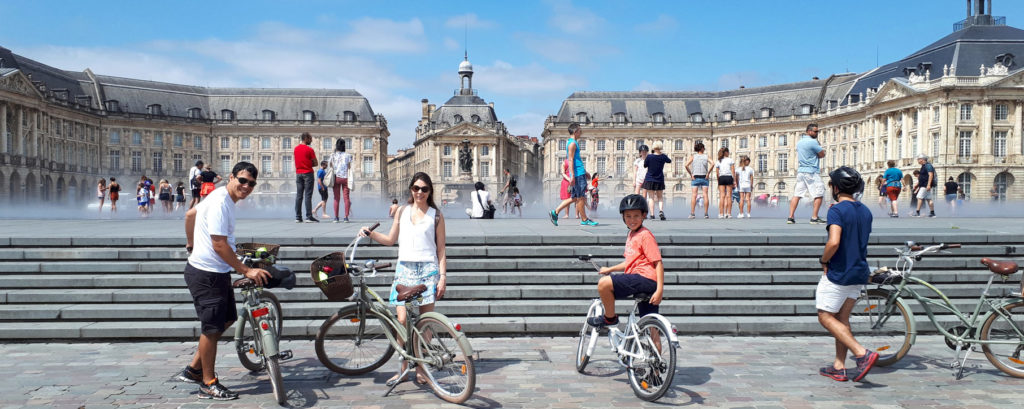
Among the most iconic symbols of modern Bordeaux is the Miroir d’eau, located directly across from the elegant Place de la Bourse. This shallow reflecting pool alternates between mirror-like reflections and gentle mist, creating a unique visual experience.
Since its inauguration in the early 2000s, the Miroir d’eau has become one of the most photographed places in the city. Visitors and locals alike gather there to admire the reflections of the historic façades, especially during warm summer days.
The success of this space perfectly illustrates how Bordeaux has blended historical heritage with modern urban design.
A City Designed for People
Another important aspect of Bordeaux’s transformation has been the redesign of public spaces to prioritize pedestrians and cyclists. Large sections of the historic center have been converted into pedestrian-friendly areas, making the city far more enjoyable to explore.
At the same time, Bordeaux has invested heavily in cycling infrastructure. Today, the city is considered one of the most bike-friendly cities in France, with extensive cycling paths connecting neighborhoods, parks, and the riverfront.
This shift toward sustainable transportation has significantly improved the quality of life for residents while making the city more pleasant for visitors.
The Return of the Tramway
Transportation has also played a major role in Bordeaux’s renewal. In 2003, the city introduced a modern tramway system designed to connect major districts while reducing car traffic in the historic center.
The tramway quickly became an essential part of daily life in Bordeaux. Its sleek design integrates harmoniously into the cityscape, and parts of the system even operate without overhead power lines in historic areas, preserving the beauty of the architecture.
By improving mobility while protecting the historic environment, the tramway contributed significantly to the city’s transformation.
Recognition on the Global Stage
As these improvements progressed, Bordeaux began attracting increasing international attention. In 2007, the historic center of Bordeaux was recognized as a UNESCO World Heritage Site, highlighting the exceptional architectural unity of the city.
This recognition helped position Bordeaux as one of Europe’s most attractive cultural destinations. Visitors now come not only for its famous wines but also for its remarkable urban beauty and quality of life.
From Industrial Port to Cultural Destination
While Bordeaux remains an important economic center, the city has successfully diversified its identity. Cultural venues, museums, creative spaces, and modern developments have appeared alongside historic monuments.
Districts such as the riverfront areas, the renovated port zones, and innovative spaces on the right bank illustrate how Bordeaux continues to evolve while preserving its heritage.
The result is a city that feels both historic and modern at the same time.
Understanding Bordeaux’s Evolution
For visitors, understanding this transformation adds an extra dimension to discovering the city. Walking through the elegant squares or cycling along the Garonne today, it can be difficult to imagine how different Bordeaux once looked.
Yet this evolution is precisely what makes the city so fascinating. The Bordeaux visitors admire today is the result of decades of thoughtful urban planning and restoration.
Exploring the city while learning about these changes allows travelers to appreciate not only its beauty but also the remarkable story of its renewal.